
Workplace and Facilities Safety
What is Facilities Safety?
Facilities Safety refers to the processes, systems, and practices used to identify, manage, and reduce risks within buildings, workplaces, industrial sites, warehouses, commercial properties, and public facilities. Its primary goal is to ensure the Safety of employees, visitors, contractors, and assets while maintaining compliance with Occupational Health and Safety regulations.
A well-managed Facilities Safety programme protects people from workplace hazards, prevents property damage, minimises operational disruptions, and supports business continuity.
Why Facilities Safety Matters
Every workplace presents potential hazards that can lead to accidents, injuries, equipment failures, or environmental incidents. Effective Facilities Safety management helps Organisations create safer working environments while improving efficiency and reducing operational risks.
The benefits of Facilities Safety include:
- Reduced workplace accidents and injuries
- Improved regulatory compliance
- Lower maintenance and repair costs
- Increased productivity and business continuity
- Enhanced employee well-being
- Protection of company assets and infrastructure
- Improved emergency preparedness
Key Components of Facilities Safety
Fire Safety Management
Fire prevention is a critical component of Facilities Safety. Organisations should implement comprehensive Fire Safety measures including:
- Fire risk assessments
- Fire detection and alarm systems
- Fire extinguishers and suppression systems
- Emergency evacuation plans
- Fire drills and employee Training
- Emergency assembly points
Regular inspections and maintenance ensure fire protection equipment remains fully operational.
Electrical Safety
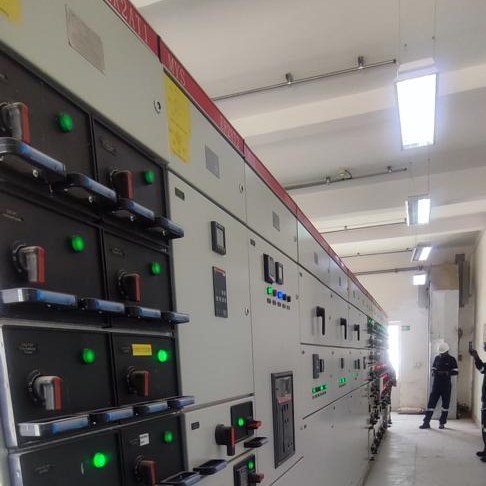
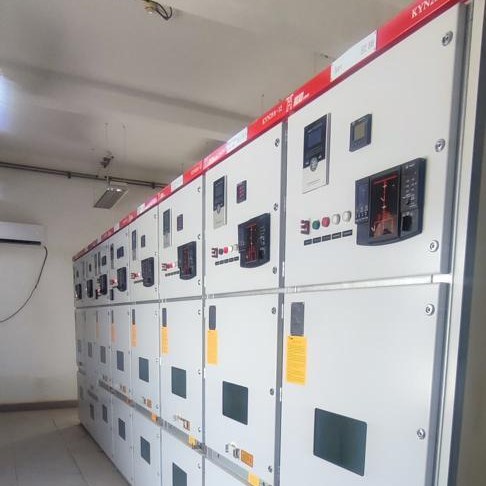
Electrical incidents can result in severe injuries, equipment damage, and business interruption. Effective Electrical Safety programmes include:
- Routine inspections of electrical systems
- Preventive maintenance
- Equipment testing and certification
Workplace Housekeeping
Good housekeeping reduces many common workplace hazards and promotes a safer environment.
Best practices include:
- Keeping walkways clear
- Proper waste disposal
- Safe storage of materials
- Immediate spill cleanup
- Organised workspaces
A clean and organised facility significantly reduces accident risks.
Machinery and Equipment Safety
Facilities containing machinery and equipment should implement controls to prevent accidental injuries. These include:
- Machine guarding
- Preventive maintenance schedules
- Equipment inspections
- Safe operating procedures
Proper maintenance extends equipment lifespan and improves Workplace Safety.
Emergency Preparedness and Response
Organisations must be prepared for emergencies ranging from fires and medical incidents to natural disasters and security threats.
Emergency preparedness plans should include:
- Emergency response procedures
- Evacuation routes and signage
- First aid facilities
- Emergency communication systems
- Regular drills and simulations
Prepared employees respond more effectively during emergencies, reducing injuries and damage.
Building a Strong Safety Culture
Facilities Safety is most effective when it becomes part of an Organisation's culture. Management commitment, employee involvement, Training, and accountability are essential for maintaining a safe workplace.
Organisations that prioritise Safety create environments where employees feel valued, protected, and empowered to identify and report hazards.
Professional Facilities Safety Solutions
Whether managing an office complex, industrial facility, warehouse, Retail centre, hospital, school, or Manufacturing plant, professional Facilities Safety services can help reduce risks and improve compliance.
Our Facilities Safety solutions include:
- Workplace Safety inspections
- Fire Safety management
- Electrical Safety programmes
- Housekeeping and maintenance Safety
- Emergency preparedness planning
Conclusion
Facilities Safety is not just a compliance requirement. It is a critical investment in people, assets, and business performance. By implementing proactive Safety measures, conducting regular inspections, and fostering a strong Safety culture, Organisations can create safer, healthier, and more productive workplaces.
A safe facility is the foundation of operational excellence and long-term business success.
Common questions
What is Facilities Safety?
Facilities Safety covers the processes, systems and practices used to identify, manage and reduce risks within buildings, workplaces, industrial sites, warehouses, commercial properties and public facilities.
What should an emergency preparedness plan include?
Emergency response procedures, evacuation routes and signage, first aid facilities, emergency communication systems, and regular drills and simulations.
What does Fire Safety management involve?
Fire risk assessments, fire detection and alarm systems, fire extinguishers and suppression systems, emergency evacuation plans, fire drills and employee Training, and emergency assembly points, with regular inspection and maintenance of the equipment.
Why does housekeeping matter for Safety?
Good housekeeping reduces many common workplace hazards. Keeping walkways clear, disposing of waste properly, storing materials safely, cleaning up spills immediately and keeping workspaces organised all cut the risk of accidents.
Which facilities need a Facilities Safety programme?
Office complexes, industrial facilities, warehouses, Retail centers, hospitals, schools and Manufacturing plants.