
What is Lockout Tagout?
Lockout Tagout (LOTO) is a critical Workplace Safety procedure designed to protect employees from the unexpected release of hazardous energy during equipment maintenance, servicing, cleaning, or repair. By isolating energy sources and preventing machinery from being started accidentally, Lockout Tagout helps reduce the risk of serious injuries and fatalities in the workplace.
Organisations across Manufacturing, Mining, Construction, Food Processing, Utilities, and industrial sectors rely on Lockout Tagout programmes to create safer working environments and comply with Occupational Health and Safety regulations.

Why is Lockout Tagout Important?
Many workplace accidents occur when machines are unexpectedly energised during maintenance activities. Hazardous energy can originate from electrical, mechanical, hydraulic, pneumatic, thermal, chemical, or gravitational sources.
Without proper energy isolation procedures, workers face risks such as:
- Electrocution
- Crushing injuries
- Amputations
- Burns
- Equipment damage
- Fatal workplace accidents
Implementing a robust Lockout Tagout system significantly reduces these risks and helps protect both employees and assets.
Understanding Hazardous Energy Sources
Effective Lockout Tagout procedures identify and control all potential energy sources, including:
Electrical Energy
Power supplied through electrical circuits, motors, generators, and control panels.
Mechanical Energy
Energy stored in moving machine parts such as gears, belts, flywheels, and rotating equipment.
Hydraulic Energy
Pressure generated by hydraulic systems used in industrial machinery.
Pneumatic Energy
Compressed air systems powering tools and equipment.
Thermal Energy
Heat generated by boilers, furnaces, steam systems, and processing equipment.
Stored Energy
Residual energy that remains trapped in springs, capacitors, elevated loads, and pressurised systems.
The Lockout Tagout Process
A successful Lockout Tagout procedure typically follows these key steps:
- Prepare for ShutdownIdentify all energy sources associated with the equipment and understand the correct isolation procedures.
- Notify Affected EmployeesInform operators and affected workers that maintenance or servicing activities will be conducted.
- Shut Down EquipmentTurn off machinery using standard operating procedures.
- Isolate All Energy SourcesDisconnect or isolate all energy sources using appropriate isolation devices.
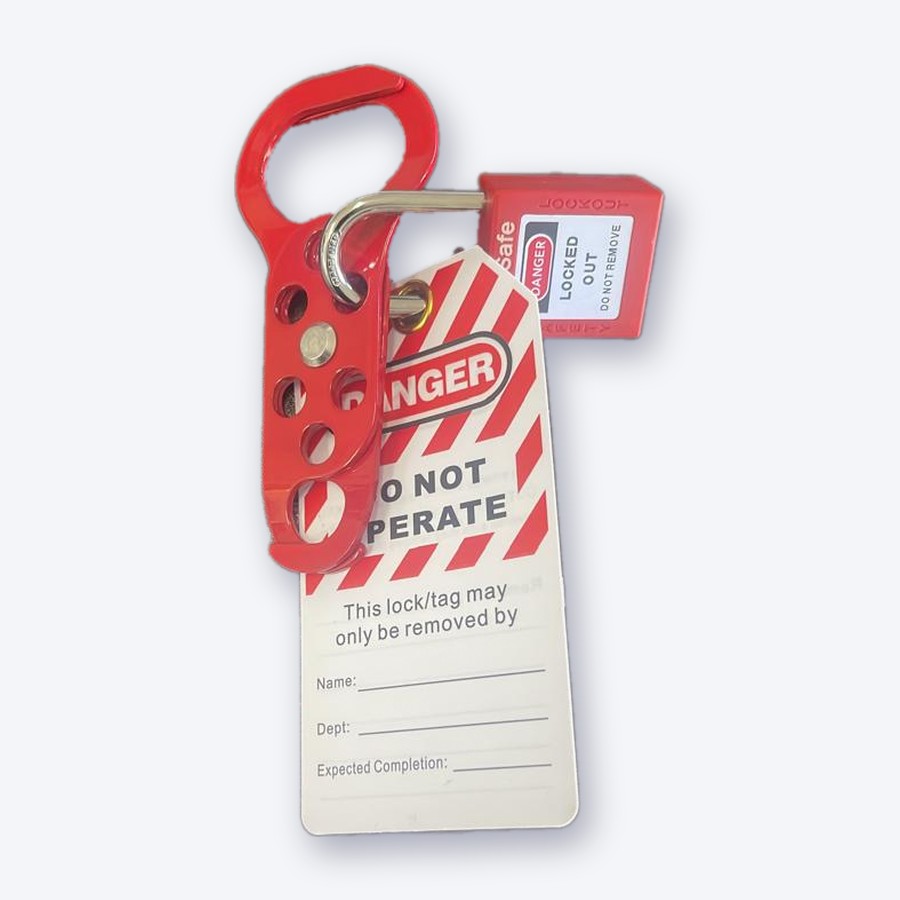
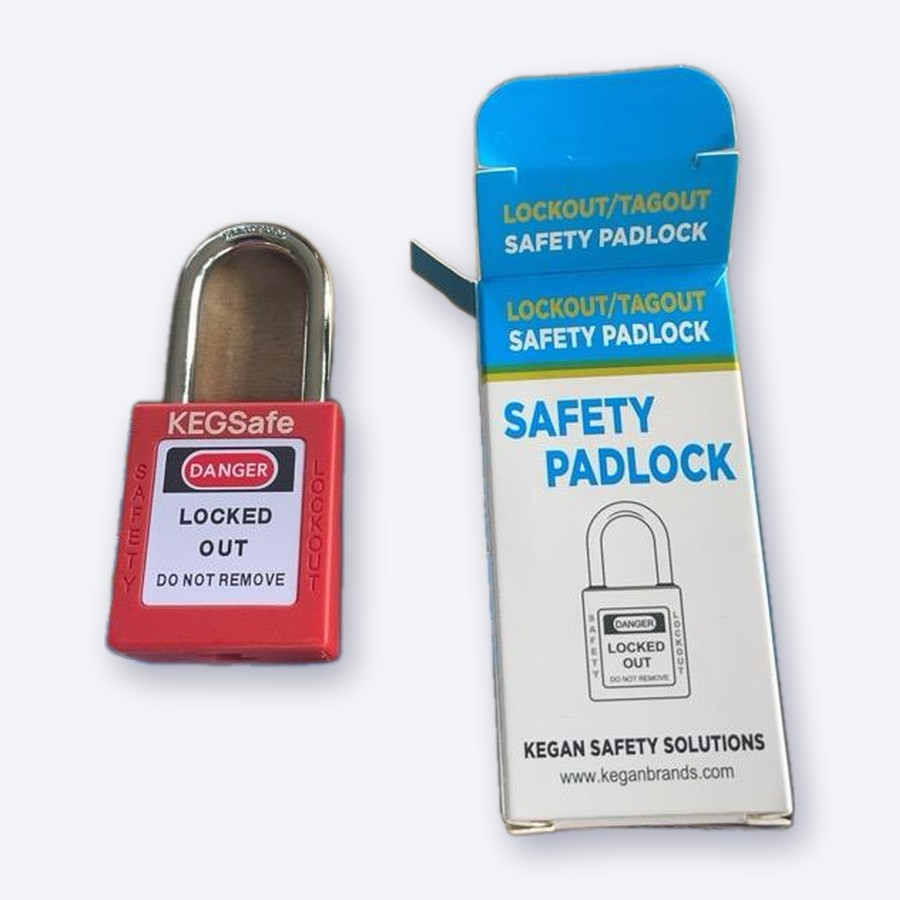
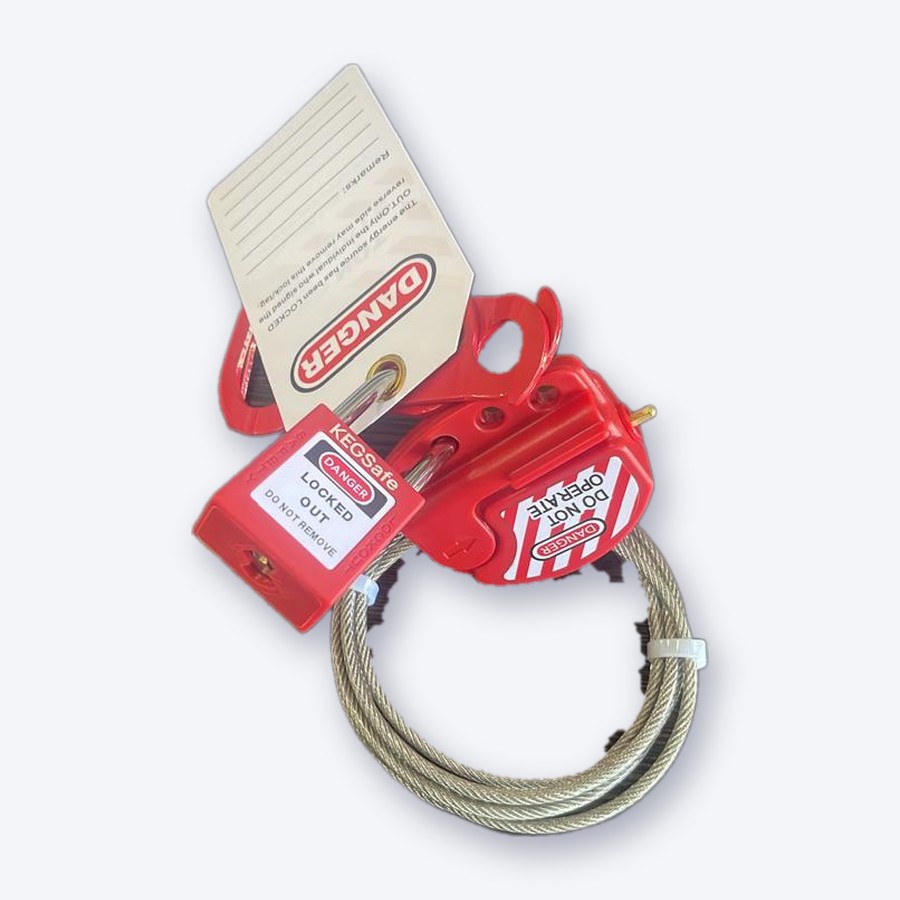
- Apply Lockout DevicesAttach lockout devices and Safety padlocks to ensure equipment cannot be re-energised.
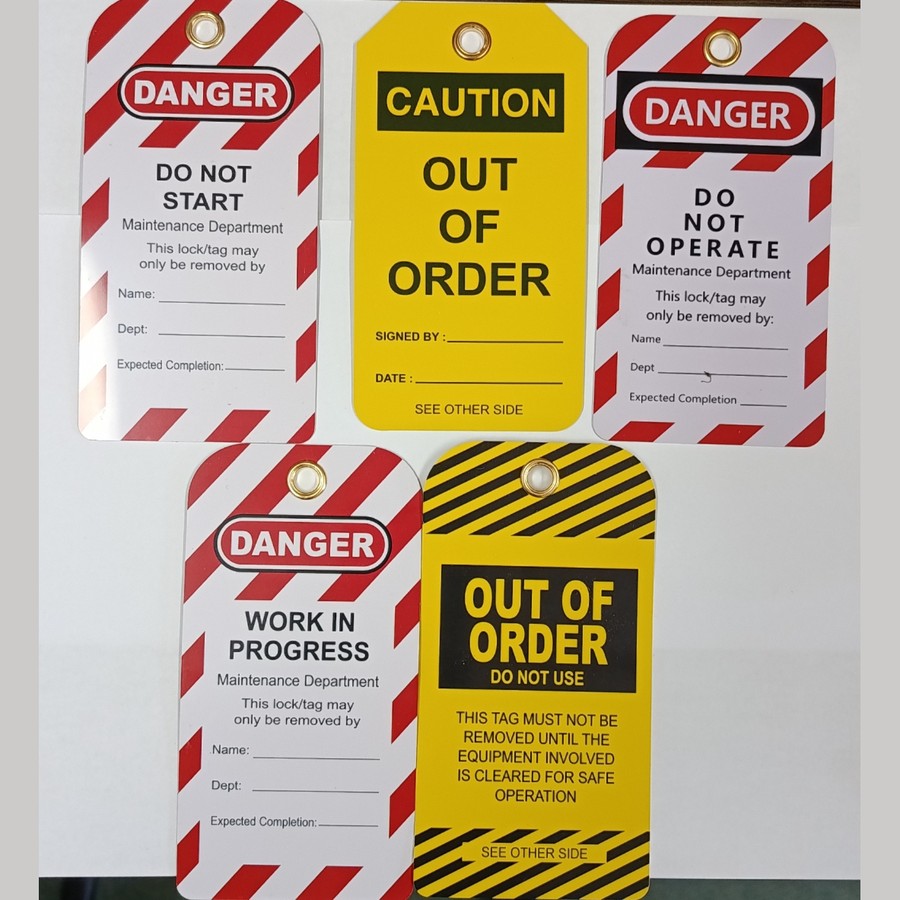
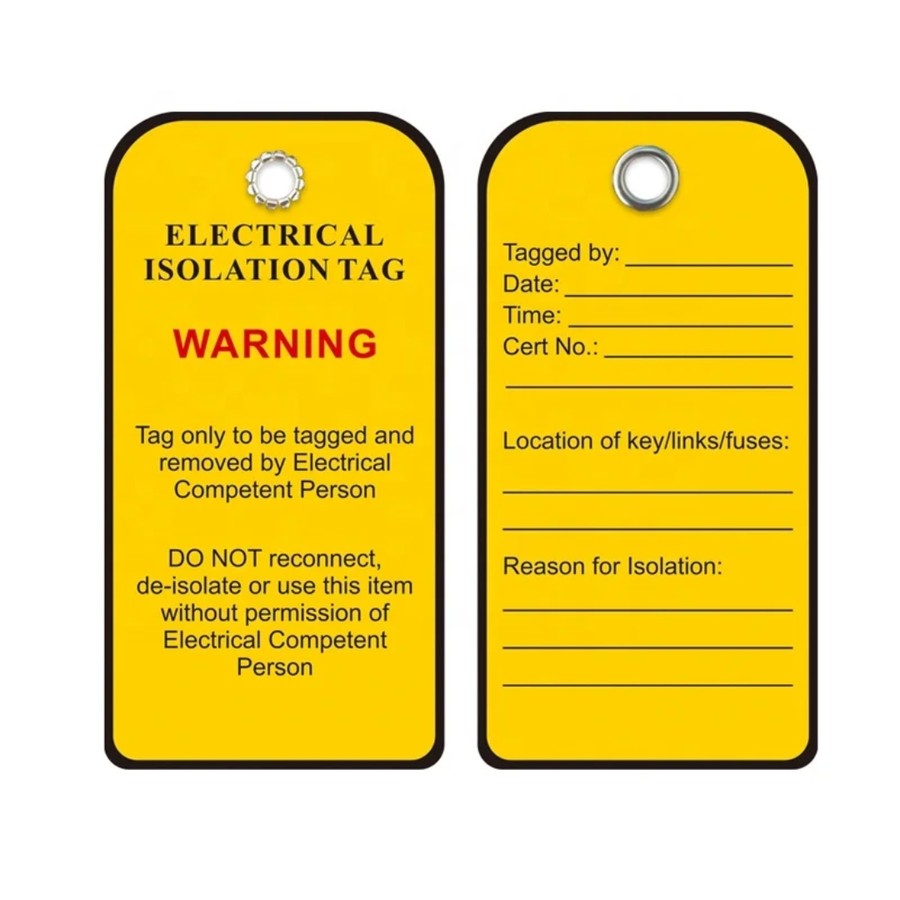
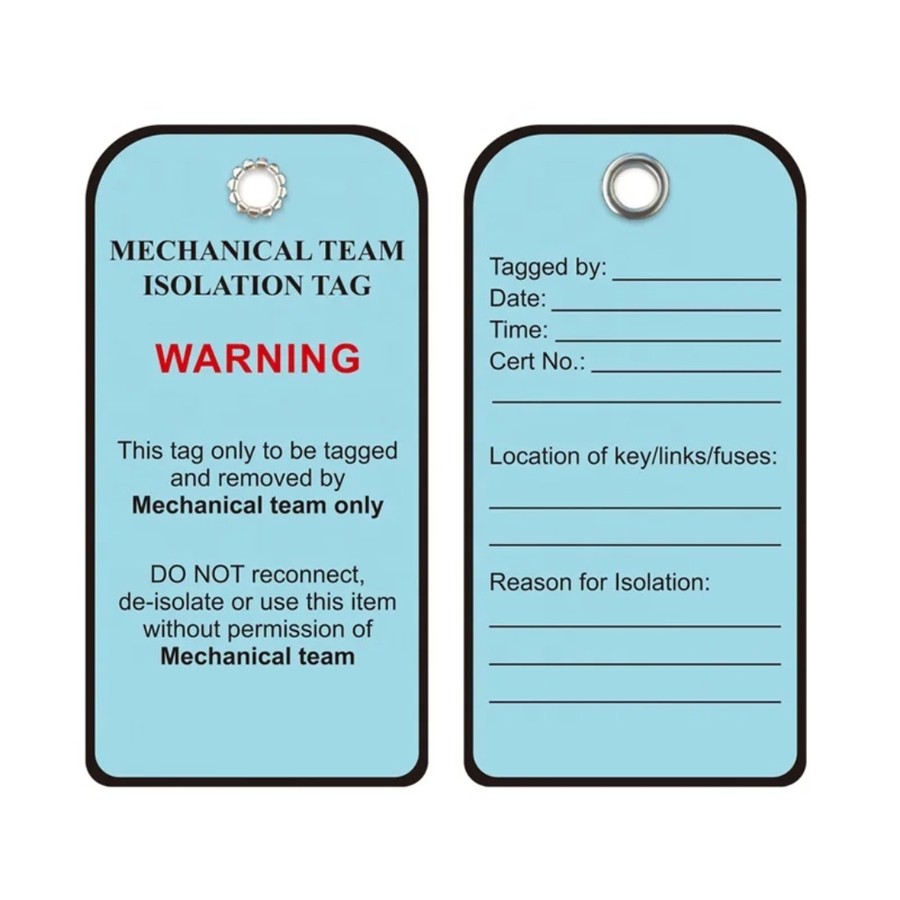
- Apply Warning TagsPlace clearly visible warning tags indicating who applied the lock and why the equipment is isolated.
- Release Stored EnergySafely relieve or block any remaining stored energy in the system.
- Verify IsolationTest equipment to confirm all energy sources have been successfully isolated before work begins.
- Remove Locks and Restore OperationsAfter maintenance is completed, authorised personnel remove locks and restore equipment to service following established procedures.
Essential Lockout Tagout Equipment
A comprehensive Lockout Tagout programme includes:
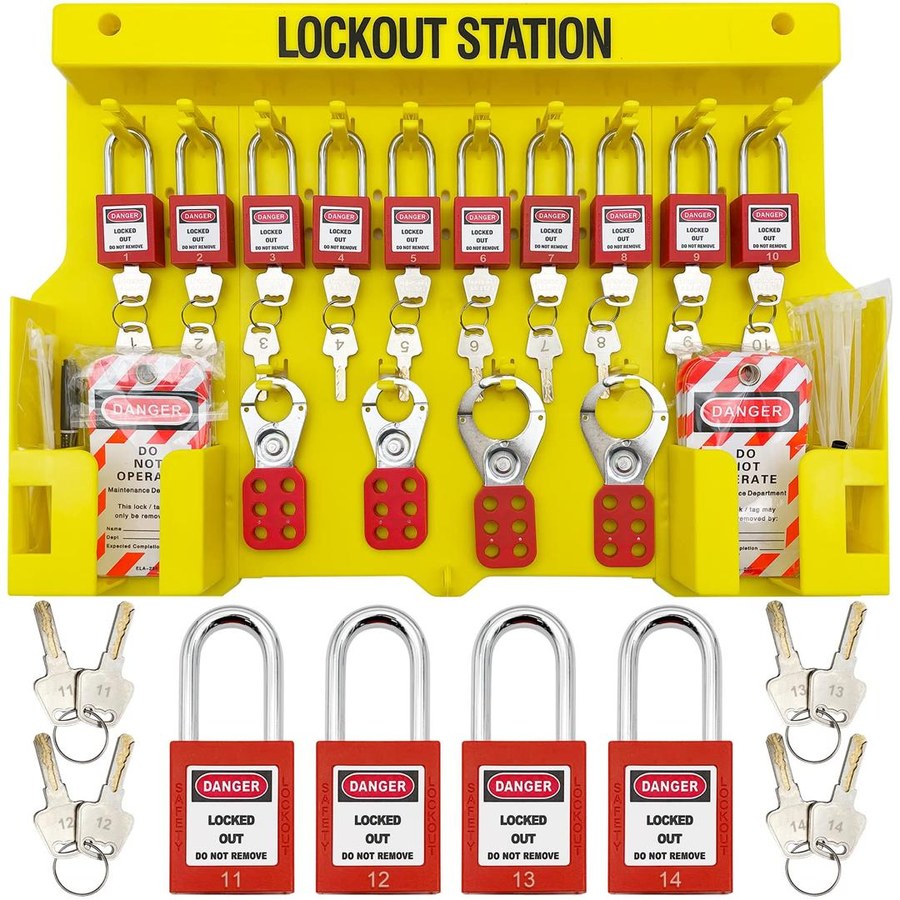
- Safety padlocks
- Lockout tags
- Lockout stations
- Valve lockout devices
- Circuit breaker lockouts
- Plug lockouts
- Cable lockout devices
- Group lockout hasps
- Electrical isolation kits
These devices help ensure that only authorised personnel can restore power to equipment after maintenance is completed.
The Benefits of a Lockout Tagout Programme
Organisations that implement effective Lockout Tagout procedures benefit from:
Improved Employee Safety
Reduced risk of workplace injuries and fatalities caused by unexpected equipment start-up or energy release.
Regulatory Compliance
Helps Organisations comply with Occupational Health and Safety standards and Industry regulations.
Reduced Downtime
Well-defined procedures improve maintenance planning and reduce operational disruptions.
Protection of Assets
Prevents costly equipment damage caused by improper maintenance activities.
Stronger Safety Culture
Demonstrates management's commitment to Workplace Safety and employee well-being.
Partner with Workplace Safety Experts
A well-designed Lockout Tagout programme is one of the most effective ways to prevent serious workplace accidents and improve operational Safety. Whether your Organisation needs LOTO equipment, employee Training, procedural development, or Compliance Audits, investing in energy isolation Safety protects both your workforce and your business.
Lockout Tagout saves lives by ensuring that hazardous energy remains isolated until work is safely completed.
Common questions
What is Lockout Tagout (LOTO)?
Lockout Tagout is a Workplace Safety procedure that protects employees from the unexpected release of hazardous energy during equipment maintenance, servicing, cleaning or repair, by isolating energy sources so machinery cannot be started accidentally.
What are the steps of the Lockout Tagout process?
Prepare for shutdown, notify affected employees, shut down equipment, isolate all energy sources, apply lockout devices, apply warning tags, release stored energy, verify isolation, then remove locks and restore operations once the work is complete.
What equipment does a Lockout Tagout programme need?
Safety padlocks, lockout tags, lockout stations, valve lockout devices, circuit breaker lockouts, plug lockouts, cable lockout devices, group lockout hasps and electrical isolation kits.
What does LOTOTO mean?
LOTOTO stands for Lock Out, Tag Out, Try Out. It is Lockout Tagout with the final check named in full: once the locks and tags are on, you try to start the equipment to prove that every energy source is isolated before work begins.
Who needs Lockout Tagout?
Any Organisation where people maintain, service, clean or repair machinery, including Manufacturing, Mining, Construction, Food Processing, Utilities and industrial sites.
What types of hazardous energy does Lockout Tagout control?
Electrical, mechanical, hydraulic, pneumatic and thermal energy, as well as stored energy trapped in springs, capacitors, elevated loads and pressurised systems.
Who is allowed to remove a lock and tag?
Only authorised personnel, following established procedures, once the maintenance work is complete.
What can go wrong without Lockout Tagout?
Workers face electrocution, crushing injuries, amputations and burns, and the business faces equipment damage and fatal workplace accidents.